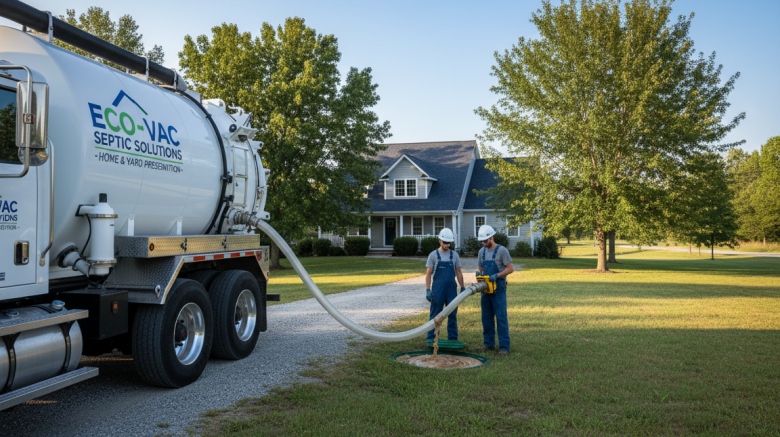
Septic Services of LA offers dependable septic tank service across Los Angeles County. Our certified crew performs septic cleaning, pumping, inspections, repairs, and installations. Their technicians arrive with powerful vacuum trucks and well-equipped service vehicles.
Book With Septic Services Of LA
Our company promises fast, affordable service with clear communication. For urgent needs, same-day septic repair in Los Angeles is available. Every pump-out includes a system check and a warranty on covered repairs.
Homeowners and property managers can call (800) 310-8988 or visit www.septicservicesofla.com. Preventive care, including pumping, filter cleaning, and bacterial treatments, can reduce the chance of emergencies. This keeps systems running efficiently for longer periods.
How Regular Septic Tank Emptying Protects Your Home And Yard
Regular septic tank emptying keeps the system operating efficiently while reducing the chance of yard contamination. It minimizes odors, prevents soggy lawns, and avoids plumbing backups. Homeowners who follow a steady maintenance schedule often save on repair costs while protecting their family’s health.
Why Pumping Prevents Backups And Yard Flooding
Pumping removes settled sludge and floating scum, allowing the tank to effectively separate solids from liquids. This process reduces the amount of solids entering the drain field, preventing blockages in pipes. It also helps prevent backups into toilets and drains while stopping sewage from surfacing in the yard.
How Often Los Angeles Households Should Pump Septic Tanks
Most residential systems usually need pumping every three to five years. That schedule can change depending on tank size, household size, water use, system type, and soil conditions. Homes with larger families or aging tanks often need service sooner. A professional inspection can help set the right septic pumping frequency for a Los Angeles property.
Licensed Waste Disposal And Environmental Compliance
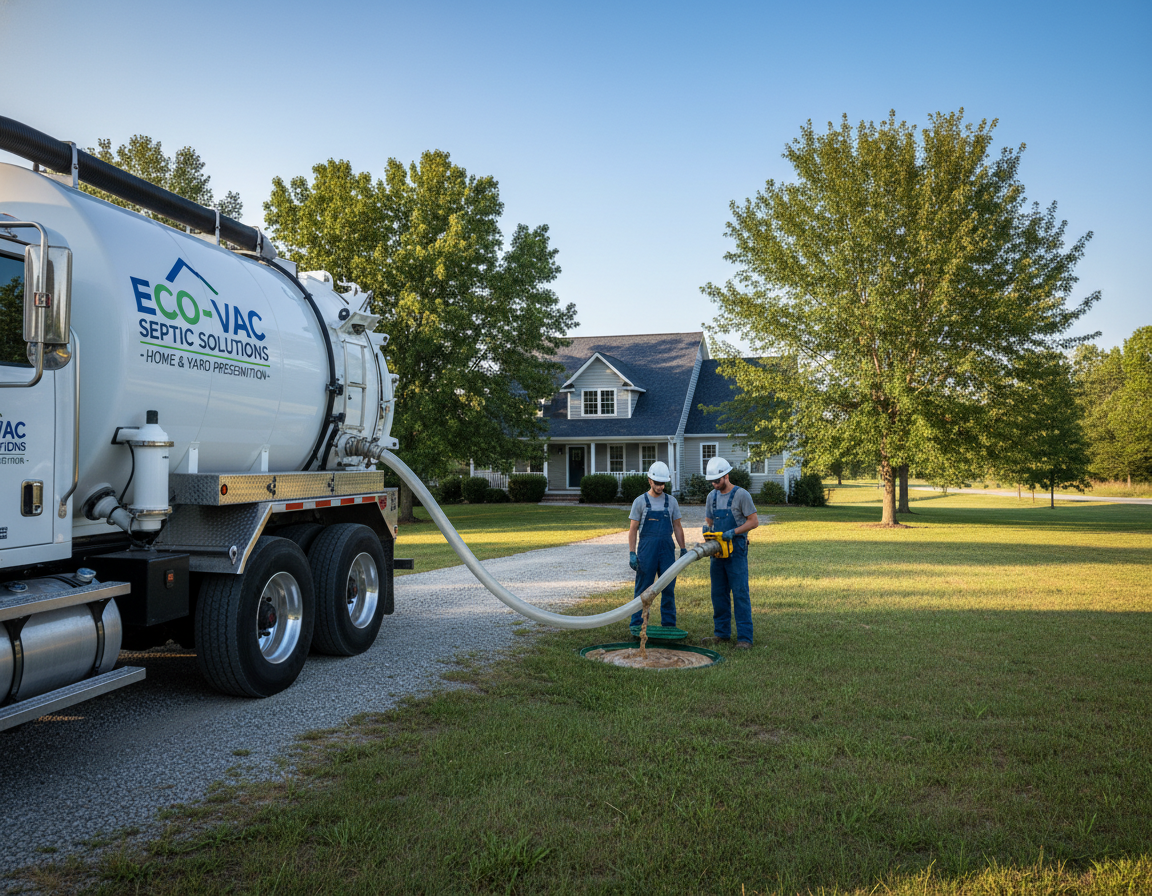
Waste from tanks must be disposed of at permitted facilities. Licensed waste disposal ensures that sewage is delivered to approved recycling or treatment centers. Reliable companies follow local and state regulations to protect groundwater and keep neighborhoods safe.
Regular emptying reduces exposure to harmful pathogens and extends the system’s lifespan. Service performed on time helps prevent expensive drain field replacement and reduces environmental impact by keeping wastewater treatment effective.
Septic Services Of LA Cleaning And Repair
Septic Services Of LA Repair And Cleaning provides extensive care for both residential and commercial septic systems across Southern California. Their team of skilled technicians handles a wide range of services. This includes routine septic pumping and cleaning, repairs, camera inspections, system design, and new installations. They also offer custom maintenance plans, which include filter cleaning and bacterial treatments.
Available Service Offerings
Technicians can empty and pump septic tanks while repairing broken pipes, damaged baffles, and failing pumps. They also replace or retrofit concrete, plastic, and steel tanks. Drain field diagnostics and repair services are available as well. The crew carries common parts for immediate fixes and works to restore landscaping, minimizing yard disruption.
Detailed Inspection Capabilities
Detailed septic inspections Los Angeles include camera work, sludge measurement, and the use of specialized tools. These tools help identify cracks, blockages, and worn components. Reports provide sludge levels and recommended repairs. They are appropriate for buyers, sellers, lenders, and homeowners planning future service.
Areas We Serve
The service area includes Los Angeles County and many surrounding cities. This includes Beverly Hills, Burbank, Glendale, Hollywood, Pasadena, Santa Monica, Thousand Oaks, Ventura, San Diego, Bakersfield, and Fresno. Mobile crews support municipal and commercial programs across Southern California.
How To Reach Us For Emergency Response
For scheduling and rapid support, call (800) 310-8988 or visit the company website. Emergency crews are available 24/7 for urgent septic pumping and system failures. Septic repair services LA focus on fast arrival, clear estimates, and same-visit repairs whenever possible.
How To Tell You Need Immediate Septic Repair
Early detection of septic problems helps avoid serious damage and health hazards. Homeowners should pay attention to unusual plumbing behavior and yard changes that often point to system failure. Prompt action on a septic repair emergency is vital to safeguard your home, water supply, and landscaping.
Common Septic Warning Signs
Drains that move slowly in sinks and showers are often an early sign of a blockage or failing tank. Gurgling toilets, hesitant flushing, or backups often indicate pressure changes and possible flow obstruction.
A foul sewage odor inside or near the drain field suggests bacterial buildup and surfacing waste. Lush green patches or wet lawn areas over the drain field usually indicate that effluent is surfacing.
Why Delaying Septic Repairs Is Risky
When early septic failure signs are ignored, sewage backups can damage floors, foundations, and living areas. Neglecting repairs often results in full-system replacements, significantly increasing costs.
Public health hazards escalate with exposure to pathogens from surfacing sewage. Groundwater contamination can affect local wells and community water, making swift response to septic backup symptoms critical.
What A Typical Emergency Repair Response Looks Like
When a customer calls with a septic repair emergency, technicians begin with rapid diagnostics to confirm the problem. They locate access points, use cameras to inspect pipes and tanks, and identify blockages or structural damage.
Field crews often pump tanks to relieve backups, fit same-day fixes using stocked parts, and coordinate licensed disposal for waste. After the emergency visit, follow-up checks and warranty-backed service help make sure the problem remains corrected.
| Visible Warning Sign | Common Cause | Immediate Action | Recommended Long-term Remedy |
|---|---|---|---|
| Slow household drains | Tank fullness or a partial blockage | Limit water use; call for inspection | Tank pumping plus camera inspection |
| Toilets that gurgle | Blockage-related trapped air or a failing outlet | Stop flushing and request emergency service | Blockage removal plus pipe or baffle repair |
| Strong foul odors indoors | Surfacing waste or vent problems | Open the area and schedule a technician visit | Vent repair and possible tank replacement or repair |
| Lush green spots | Drain field effluent surfacing | Avoid the area and ask for an emergency pump-out | Repair or redesign of the drain field |
| Visible sewage | System collapse or severe failure | Request emergency service immediately | Full system repair and sanitization |
Septic Tank Inspection Best Practices For Buyers And Homeowners
Thorough septic inspection work is essential for protecting a property’s value and reducing surprise costs. For Los Angeles properties, both buyers and current owners should follow a clear inspection process to confirm septic system health and long-term performance.
Routine yearly checks help identify small septic issues before they turn into larger failures. Technicians typically evaluate sludge and scum levels, review baffle condition, and test effluent quality. These routine inspections often save money and may also satisfy lender or escrow requirements in real estate deals.
What A Practical Septic Inspection Checklist Covers
A complete septic inspection checklist usually includes visual tank inspection, sludge-depth readings, and checks of baffles plus inlet and outlet components. It also includes flow tests at various fixtures and documentation of any odors or wet spots. Afterward, inspectors provide a written report that explains required maintenance or repairs and guides the next actions.
How Camera Inspection Septic Technology Improves Inspections
Camera inspection septic tools allow inspectors to see distribution lines, pipes, and tank interiors without excavation. This technology can reveal cracks, blockages, root intrusions, and worn fittings. Pressure testing, dye testing, and probing tools add even more certainty and help guide accurate repairs.
How Often Septic Inspections Should Be Done
Yearly inspections are recommended for most septic systems. Inspection frequency should increase for older systems, homes with heavy water use, large households, or properties that recently had repairs. Properties affected by high groundwater or clay soils usually need more frequent inspection to lower the risk of failure.
Inspection Tips For Buyers And Homeowners
- Always request the complete septic inspection report before closing on a home.
- Keep records of pump-outs and repairs to monitor sludge trends.
- Arrange a camera inspection septic service if signs of trouble appear, such as soggy yard areas or slow drains.
Professional Septic Repair Services And Typical Fixes
Effective septic repair services LA start with a thorough problem assessment and a plan to minimize yard disruption. The repair team checks tanks, pipes, baffles, pumps, and the drain field to locate the source of slow drains, backups, or wet spots. Many fixes are done in hours, not days, ensuring homes remain functional and costs are kept in check.
Pipe, Baffle, And Pump Repairs
Repair crews tackle broken septic pipe repair by exposing and replacing damaged lines. They also rebuild or replace baffles and tees to restore proper flow and protect the drain field from solids. For electrical or mechanical failures, septic pump replacement is done using compatible pumps and new control floats to restore pumping efficiency.
Repairs For Concrete, Plastic, And Steel Tanks
Concrete tanks frequently need crack repair and structural patching to prevent leaks and collapse. Plastic tanks are checked at seams and fittings; minor defects may be sealed, while major damage usually requires replacement. Because older steel tanks are prone to corrosion and rust-through, full replacement is often recommended to protect safety and long-term performance.
Drain Field Diagnosis And Repair
Drain field repair begins with saturation checks and inspections of the distribution box and laterals. Camera work, dye testing, and soil assessment help identify hydraulic overloading, solids clogging, and similar issues. Solutions may include selective lateral repair, socket replacement, full lateral replacement, aeration additions, sand filter retrofits, and careful restoration of the yard after excavation.
Service teams employ experienced crews to minimize landscaping damage, provide clear estimates, and offer warranties and follow-up checks. Good communication during septic repairs helps customers understand both the available repair paths and the expected timeline.
Septic Tank Installation And Replacement Services
Upgrading a septic system demands meticulous planning and the expertise of professionals. The job includes design work, permitting, old-system removal, new installation, and final yard restoration. Each step is critical for the system’s long-term efficiency and adherence to regulations. A well-executed project minimizes downtime and safeguards the property’s value.
Designing Systems Sized For Property And Household Needs
Experts determine system sizes based on various factors, including the number of bedrooms, daily water usage, soil conditions, and the property’s layout. At Septic Services of LA, designers focus on creating systems that meet current demands and accommodate future expansions. Compared with older systems, today’s designs often last longer and need less maintenance.
Permits, Code Compliance, And Inspection Passes
Experienced installers manage the necessary permits for septic systems in Los Angeles. They work closely with county health departments to ensure all paperwork is in order. That detailed approach reduces the risk of costly rework and supports a successful final inspection. Compliance with local code helps protect groundwater and reduces the risk of fines or failed inspections.
Old Tank Removal, New System Installation, And Yard Restoration
Replacing a septic system involves the safe removal of the old tank, followed by the installation of a new one. New installations may use concrete, plastic, or advanced treatment units and include reconnecting the plumbing lines. Once testing and system checks are complete, the yard is regraded, reseeded, and restored.
| Stage | What Happens | Benefit |
|---|---|---|
| Property evaluation | Soil testing, flow estimates, and site layout review | A right-sized system with fewer surprises |
| Permits and approvals | Plan submittals, permit applications, and inspections | Smoother approvals, code compliance |
| System removal | Tank disposal, safe excavation, and environmental safeguards | Lower liability and proper waste handling |
| New system installation | Tank placement, plumbing tie-in, and startup testing | Reliable operation and longer service life |
| Yard restoration | Backfill, soil compaction, regrading, and reseeding | Improved curb appeal and a usable yard |
Financing may be available to help manage the cost of septic replacement. Working with a trusted contractor helps ensure the system runs efficiently, needs less maintenance, and satisfies septic tank installation standards in Los Angeles. That approach also supports full compliance with permitting requirements.
Septic Maintenance Plans To Extend System Life
A tailored septic maintenance plan Los Angeles homeowners can depend on combines scheduled service and practical education. Regular maintenance keeps systems in top condition, reduces costs, and safeguards yards and wells.
Custom plans establish a septic pumping schedule based on household size and tank capacity. The normal recommendation is every 3–5 years, though larger families or high water use may require more frequent pumping. These plans also include filter cleaning, routine inspections, and tracking sludge levels for future service guidance.
Septic bacteria treatment is often included to improve biological breakdown inside the tank. When used correctly, treatments aid in natural processes and can decrease solids reaching the drain field. Regular inspections allow technicians to identify early issues, such as baffle wear or slow percolation, before they escalate.
Homeowner habits significantly influence system health. It’s important to know what not to flush septic systems: wipes, feminine hygiene products, diapers, grease, coffee grounds, paints, solvents, and harsh chemicals. To extend system life, homeowners should space out laundry, repair leaks promptly, and reduce garbage disposal use.
Preventive maintenance is more economical. Routine service costs less than emergency repairs or full system replacement. Ongoing pumping and inspections help protect the drain field, lower environmental risks, and may add decades to the life of the system.
Technicians complete a system check during each pumping visit and give homeowners simple maintenance guidance. A clear septic pumping schedule and occasional septic bacteria treatment are the foundation of a proactive program. That helps keep the system operating efficiently.
Why Septic Inspections Matter In Real Estate Transactions
A complete septic inspection is extremely important when a property is being sold. This protects all sides of the transaction, including buyers, sellers, and lenders. A timely inspection verifies system function, identifies issues before escrow, and supports accurate valuation for loan approval. The company specializes in inspections tailored to real estate deadlines and reporting needs.
The reason lenders and buyers often require septic inspections becomes obvious when financial risk is considered.
Lenders need to know the septic system will not become a liability or reduce the property’s value. Buyers want proof that the system is safe and not a hidden future expense. A septic inspection verifies the system’s condition, ensuring it meets financing and resale standards.
A strong septic inspection includes detailed reporting on sludge levels, structural issues, and recommended repairs.
The septic inspection report should cover sludge and scum levels, tank integrity, baffle condition, and effluent quality. Camera work on pipes and laterals helps uncover breaks, cracks, and blockages. The report outlines structural or operational issues and a list of recommended repairs with estimated costs.
One of the greatest advantages of timely inspections is how they reduce closing delays and unexpected costs.
An inspection scheduled early helps reduce last-minute repair demands. It allows sellers to order repairs or adjust pricing and disclosures. Buyers can negotiate with clarity. When inspections are done on time, closings stay on schedule and unexpected expenses are reduced.
Professional handling streamlines transactions.
The company provides a clear septic inspection report, written repair quotes, and support in scheduling follow-up work and permits. That coordination reduces friction for agents, lenders, and homeowners across the Los Angeles market.
RV Pumping And Commercial Septic Solutions
We cater to businesses, event planners, and property managers in Los Angeles with essential sanitation services. Our team manages mobile unit needs, large kitchen waste, and scheduled programs for complex sites. Well-defined service plans reduce downtime and help operations stay compliant with health codes.
RV pump-out service is available for marinas, camps, and private events. Routine fleet visits help prevent odors and overflow for RV and mobile sanitation accounts. Portable restroom rentals come with setup, servicing, and emergency response so units remain clean during peak use.
Restaurants and commercial kitchens need regular grease trap maintenance to stay in operation. Our grease trap pumping LA service combines timely pumping and compliant waste hauling. We coordinate with permitted disposal and recycling facilities so restaurants can meet local ordinances and environmental standards.
Preventive service contracts are especially useful for large properties and municipalities. Our commercial septic services support apartments, shopping centers, and industrial parks through scheduled inspections, pumping, and repairs. These programs help reduce unexpected failures and make regulatory reporting easier.
When disposal requires documentation, we provide manifests and receipts that show lawful handling at approved sites. Proper chain-of-custody and reporting help protect businesses during inspections and lower liability for property owners.
Choose services that match site needs: one-time pump-outs, recurring maintenance, or full compliance packages. Strong sanitation management helps keep events running, restaurants open, and municipal systems operating without interruption.
Septic Pumping Timing And Duration: Common Questions
Homeowners frequently inquire about the duration of septic pumping and what influences the time it takes. Residential pump-outs are usually faster when the tank is accessible and the system has been maintained properly. Still, service may take longer when tanks are large, sludge is heavy, or lids are difficult to locate.
Typical Septic Pumping Time And The Factors That Affect It
Most routine pump-outs conclude within one to three hours. The time frame is influenced by tank size, sludge level, access, and the necessity for repairs. A well-maintained system with straightforward access usually results in a quicker service visit from the technician.
How Quickly Tanks Fill Again After Pumping
People often ponder how frequently septic tanks fill after pumping, considering water use, household size, and tank capacity. Systems with numerous occupants or high-volume appliances tend to refill more quickly. The return of liquids and solids is also influenced by soil absorption and the health of the drain field.
For most homes, the standard recommendation remains a three-to-five-year pumping interval. Homes with smaller tanks or heavier water use may need pumping sooner.
Preparing Your Property For A Pump-Out To Streamline Service
A good way to prepare for septic pumping is to mark lids and inspection ports ahead of the appointment. Clearing vegetation and providing a clear path for the truck improves safety and speeds up service.
Limit water use the day of service and inform technicians about buried or hard-to-find covers. Septic Services of LA provides preparation guidance and includes a brief system check with every pump-out to improve efficiency.
- Checklist: locate lids, clear access, reduce water use, notify crew of obstacles.
- Expect: most homes take one to three hours, while complex systems take longer.
- Frequency: plan on service every 3–5 years unless household conditions require sooner pumping.
Why Homeowners Choose Septic Services Of LA
A reliable provider matters most when septic problems happen unexpectedly. Septic Services of LA stands out with its commitment to timely service. Their crews arrive on time, carry the tools needed for same-day repairs, and are staffed by certified technicians. They even call ahead if there’s a schedule change, ensuring you can rely on them when you need them most.
Each repair includes a clear warranty, and every pumping visit includes a thorough system check. Follow-up visits ensure repairs are lasting and the system operates efficiently. They also handle licensed disposal and provide detailed service notes, giving homeowners peace of mind.
Transparent pricing is a cornerstone of their service. Homeowners are given clear estimates in advance, invoices without hidden fees, and straightforward explanations of charges before the job begins. This approach helps homeowners budget without fear of unexpected expenses.
Their service model also emphasizes communication and service-window guarantees. If a crew is late, the office promptly notifies the customer and may offer compensation for missed appointments. This commitment to accountability helps distinguish the company from less reliable service providers.
Ongoing maintenance plans create another layer of protection against unexpected septic costs. Routine pumping, filter cleaning, and inspections help prevent emergency breakdowns. Pairing preventive care with fair pricing and warranty-backed service creates stronger long-term value for homeowners.
How To Schedule Service And Get An Accurate Quote
To schedule septic service in Los Angeles, homeowners can call Septic Services of LA at (800) 310-8988 or visit their website. The company offers emergency pump-outs and same-day inspections. The team is ready for rapid-response visits in case of urgent backups.
A more accurate septic service quote starts with details such as tank size, system type, and property location. It also helps to mention symptoms and household usage patterns. Based on that information, technicians may offer a preliminary estimate over the phone or online. Costs are then confirmed after an on-site evaluation that reviews access and current system condition.
Once service is scheduled with Septic Services of LA, a technician will inspect the system. They will deliver a written report and a detailed quote for any needed repairs or maintenance. If necessary, the company also handles permits, licensed disposal, and follow-up care. Customers are also given the option to enroll in a maintenance plan to reduce the chance of future emergencies.
Frequently Asked Questions
What Services Does Septic Services Of LA Provide?
How Can Regular Septic Tank Emptying Protect My Property?
How Often Should A Los Angeles Household Have Its Septic Tank Pumped?
What Happens To The Waste After Pumping And Does Septic Services Of LA Follow Environmental Rules?
What Comes With Septic Services Of LA Repair And Cleaning?
Which Areas Does Septic Services Of LA Serve?
What Is The Best Way To Contact Septic Services Of LA?
How Can I Tell I Need Immediate Septic Repair?
Why Is Delaying Septic Repairs Dangerous?
How Does Emergency Septic Repair Response Work?
Why Should Septic Systems Be Inspected Every Year?
What Is Included In A Septic Inspection?
How Does Inspection Technology Improve Septic Diagnostics?
When Should Septic Inspections Happen More Often Than Yearly?
Which Septic Repairs Are Most Common?
What Repair Differences Exist Between Concrete, Plastic, And Steel Septic Tanks?
What Is The Process For Drain Field Diagnosis And Repair?
How Does Septic Services Of LA Design And Size New Septic Systems?
Who Handles Permits And Code Compliance For Installations?
What Happens During Tank Replacement And Yard Restoration?
How Do Maintenance Plans Extend Septic System Life?
What Daily Habits Help Protect A Septic System?
Is Preventive Maintenance More Cost-Effective Than Emergency Repairs?
Why Do Buyers And Lenders Ask For Septic Inspections?
What Does A Septic Inspection Report Include?
How Can Timely Septic Inspections Reduce Closing Delays?
Does Septic Services Of LA Offer RV Pump-Outs And Portable Restroom Services?
Which Grease Trap Services Does The Company Offer?
Which Commercial And Municipal Maintenance Programs Are Available?
How Long Does Septic Pumping Usually Take?
How Fast Does A Septic Tank Refill After Pumping?
How Can I Prepare For A Septic Pump-Out?
What Reliability Guarantees And Warranties Does Septic Services Of LA Provide?
What Should I Expect From Their Pricing?
What Information Helps Me Get An Accurate Septic Quote?
What Should I Expect Once Service Is Scheduled?
Related: Click Here About Septic Services Of LA Including Installation And Repair